
We are very excited to introduce the 2026 KIF Prize nominees! These amazing women have been nominated by their colleagues, supervisors and peers for their incredible work and for being amazing role models in STEM.
This year, the KIF prize will be awarded for the 16th time. The goal was to attract nominations across all fields and sectors and we are proud of the diversity among the nominees. We thank everyone who took the time to send in their nominations as the KIF prize is becoming more recognized in the community.
Big congratulations to all the nominees!
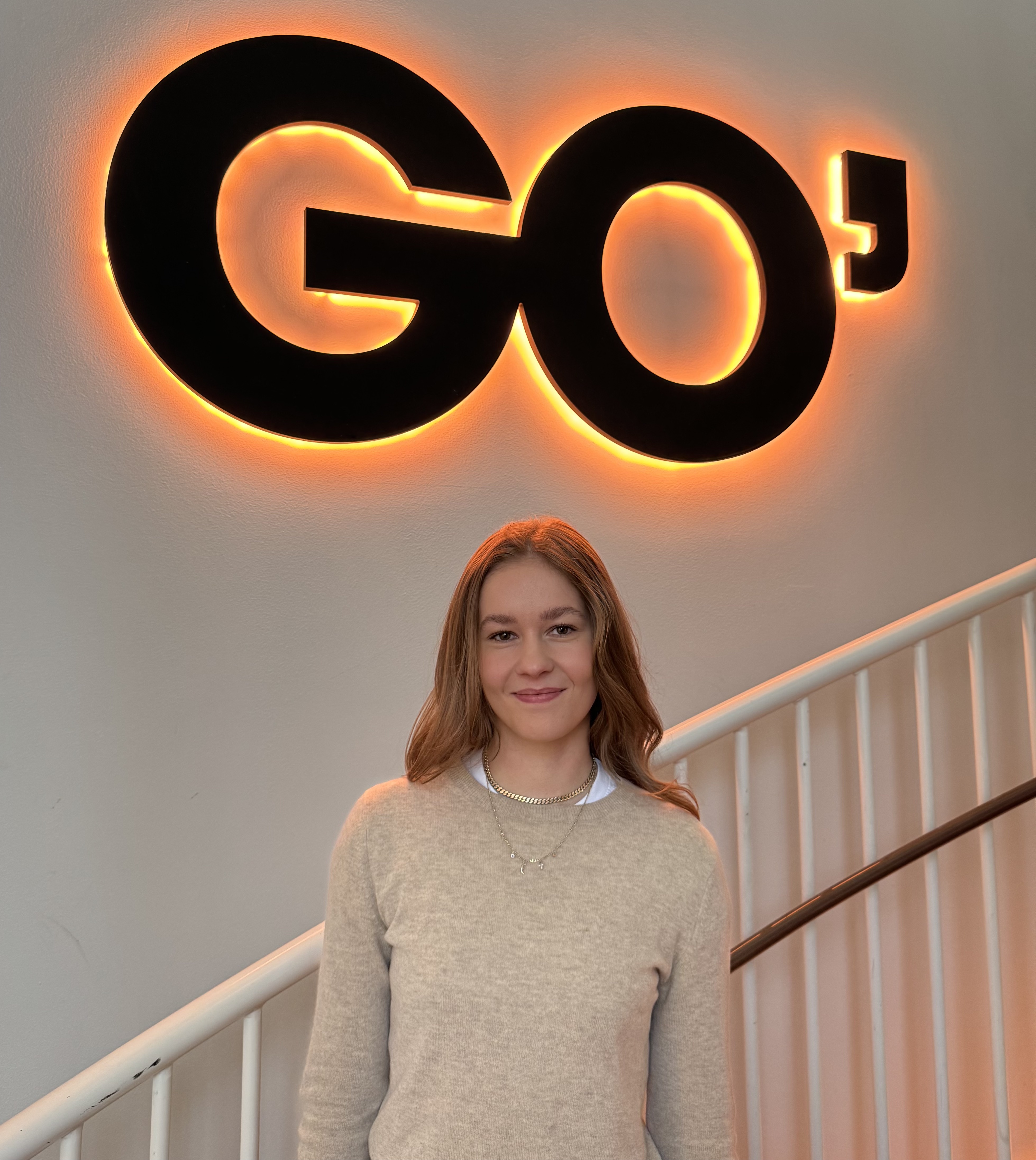
KIF PRIZE 2026 NOMINEE
Chamilla Terp
About Chamilla Terp
My name is Chamilla Terp, and I’m an astrophysics student at the University of Copenhagen and the Cosmic Dawn Center, currently finishing my Master’s degree. My research focuses on understanding how the first galaxies formed and evolved in the early universe, especially during the epoch of reionization, using data from observatories like the James Webb Space Telescope and ALMA. So far, my work has led to several scientific publications, including first-author papers – which I’m really excited about! Alongside my research, I’m very passionate about science communication. I’ve worked as a science communicator at the Planetarium in Copenhagen for many years, and I now have the opportunity to give talks where I share my own research. I love explaining complex ideas about the universe in a way that feels accessible and engaging, whether through teaching, public talks, or outreach activities.
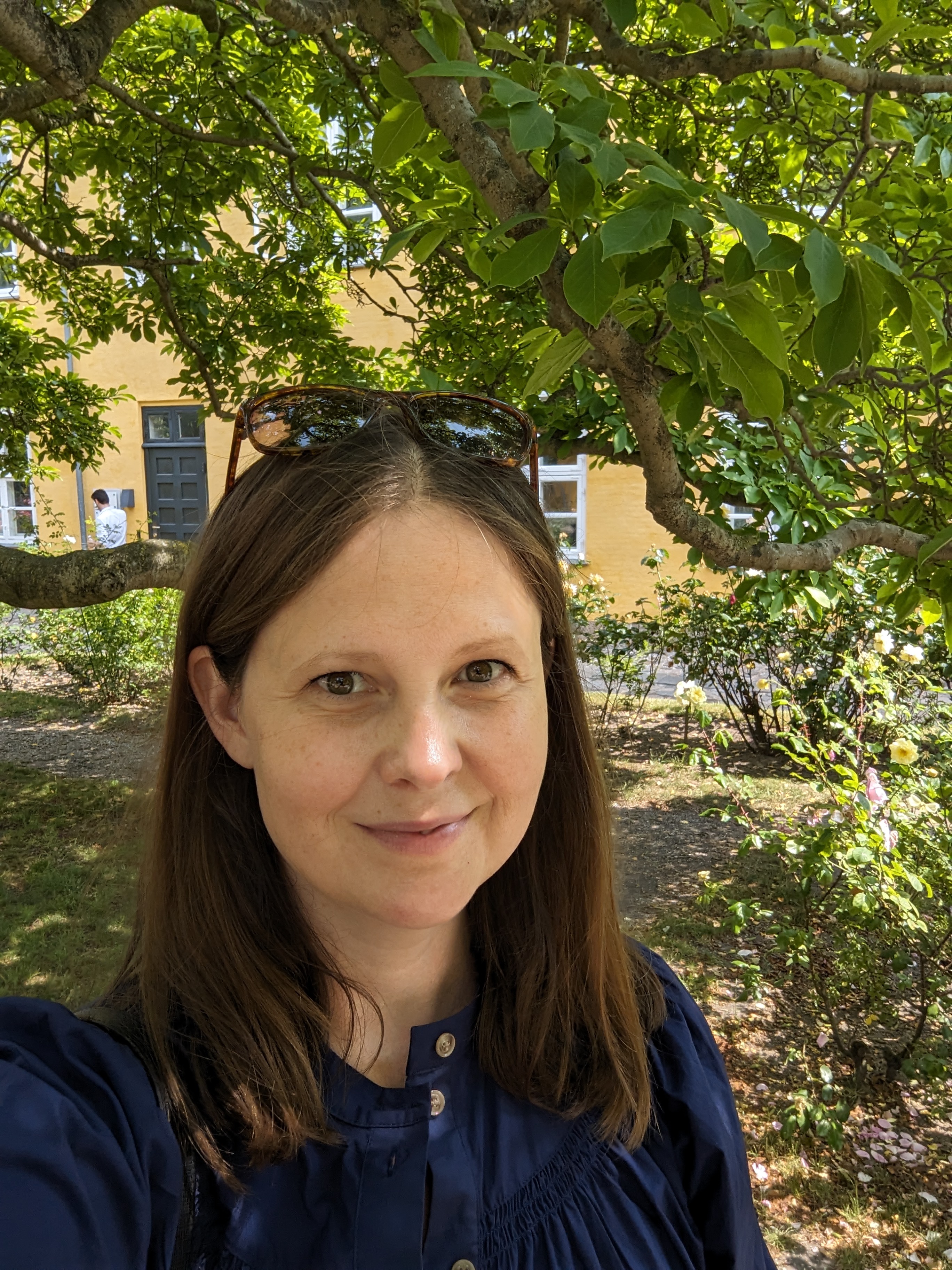
KIF PRIZE 2026 NOMINEE
Elisabeth Therese Ulrikkeholm
About Elisabeth Therese Ulrikkeholm
I am Elisabeth Therese Ulrikkeholm, Principal Scientist and X-ray specialist at FOSS Analytical. Throughout my career, I have explored physics from many angles — as a researcher, as a teacher, and as an industrial scientist in both a small start-up and a large multinational company.
I began my career at DTU, teaching at the DTU Admission Course and later working as a PhD student and postdoc at the Center for Individual Nanoparticle Functionality, where I researched platinum-based catalysts for hydrogen fuel cells. In 2017, I made the move to industry, first joining a small start-up commercializing the technology I had researched, and later FOSS, where I now develop detector systems and X-ray solutions for analyzing food composition and quality.
Alongside my work, I see it as a responsibility — and a privilege — to inspire the next generation to pursue careers in STEM, and physics in particular. I am especially passionate about showing young women that these fields are open to them too. As a member of YATSI (The Young Academy of Technology, Science, and Innovation) — a sub-organisation of ATV (the Danish Academy of Technical Sciences) — I use this platform to advocate for and engage young people in STEM.
I am truly honoured to be nominated for the KIF Award, and I hope my journey can inspire others to explore the many exciting paths a career in physics can offer.

KIF PRIZE 2026 NOMINEE
Elloïse Fangel-Lloyd
About Elloïse Fangel-Lloyd
Elloïse Fangel-Lloyd is a Research Scientist in the Weather Models group at the Danish Meteorological Institute (DMI). She focuses on the use of supercomputers and high-performance computing for atmospheric physics. Initially she worked with lightning, focusing on the occurrence and effects of lightning strikes as well as reducing code runtimes from weeks to hours. Later work studied lightning strikes in other atmospheres, finding that lightning is likely on the exoplanet K2-18b, a watery planet considered one of the best candidates for extraterrestrial life. Currently she works with weather forecasting and nowcasting. Weather forecasting is an extremely computationally heavy task, and improving these programs with parallelism and high-performance computing techniques allows higher detail to be represented. She finds this very rewarding.
Elloise enjoys outreach enormously. She gives science talks at high schools and is a frequent contributor to Københavns Folkeuniversitet. She enjoys communicating both science content and the practical aspects of working in science.
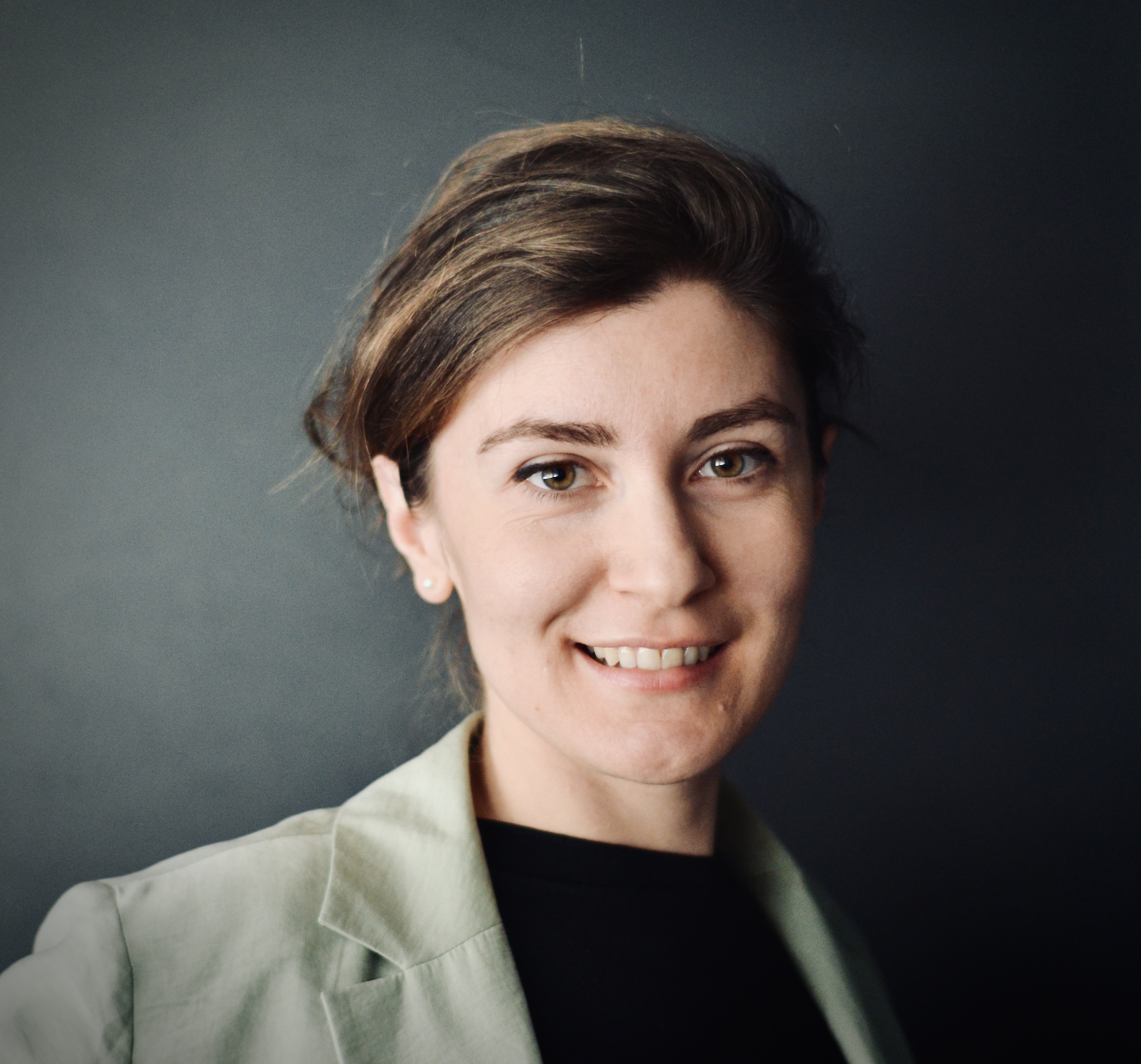
KIF PRIZE 2026 NOMINEE
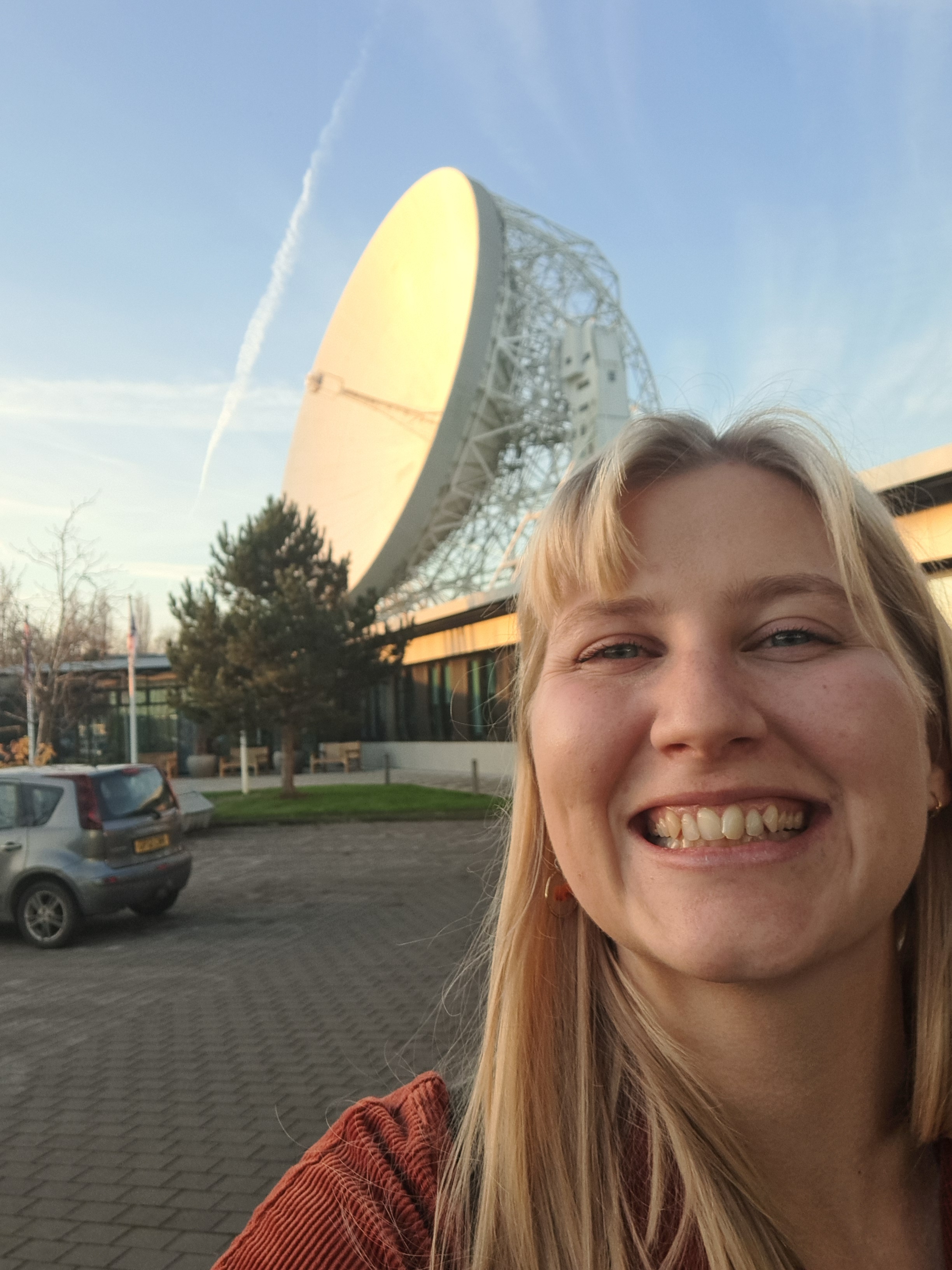
Giulia Perotti
About Giulia Perotti
I am an astrophysicist and group leader at the Niels Bohr Institute in Copenhagen, working on planet formation. My research focuses on protoplanetary disks, where gas and dust evolve into planetary systems. A central aspect of my work is the link between dust, gas, and chemistry, and how this shapes the conditions under which planets form and acquire their volatile content. For example, using facilities such as JWST and ALMA, I study together with my group how water—one of the key ingredients for life—is delivered to rocky planets.
Alongside research, I am actively involved in building a more inclusive environment in astrophysics. I have contributed to supporting and inspiring women in the field through the MPIA Womens+ network. Through public outreach, including events such as Astronomy on Tap in Copenhagen, I have also tried to encourage more women to engage with and pursue STEM. More recently, I helped kick-start the Minorities+ meeting in the Astro sections at the Niels Bohr Institute, creating a space for early-career scientists to connect and discuss how to build a more inclusive working environment.
I also teach and supervise students — I care about encouraging them to think big and sharing both the challenges and the excitement of understanding how planetary systems form.
KIF PRIZE 2026 NOMINEE
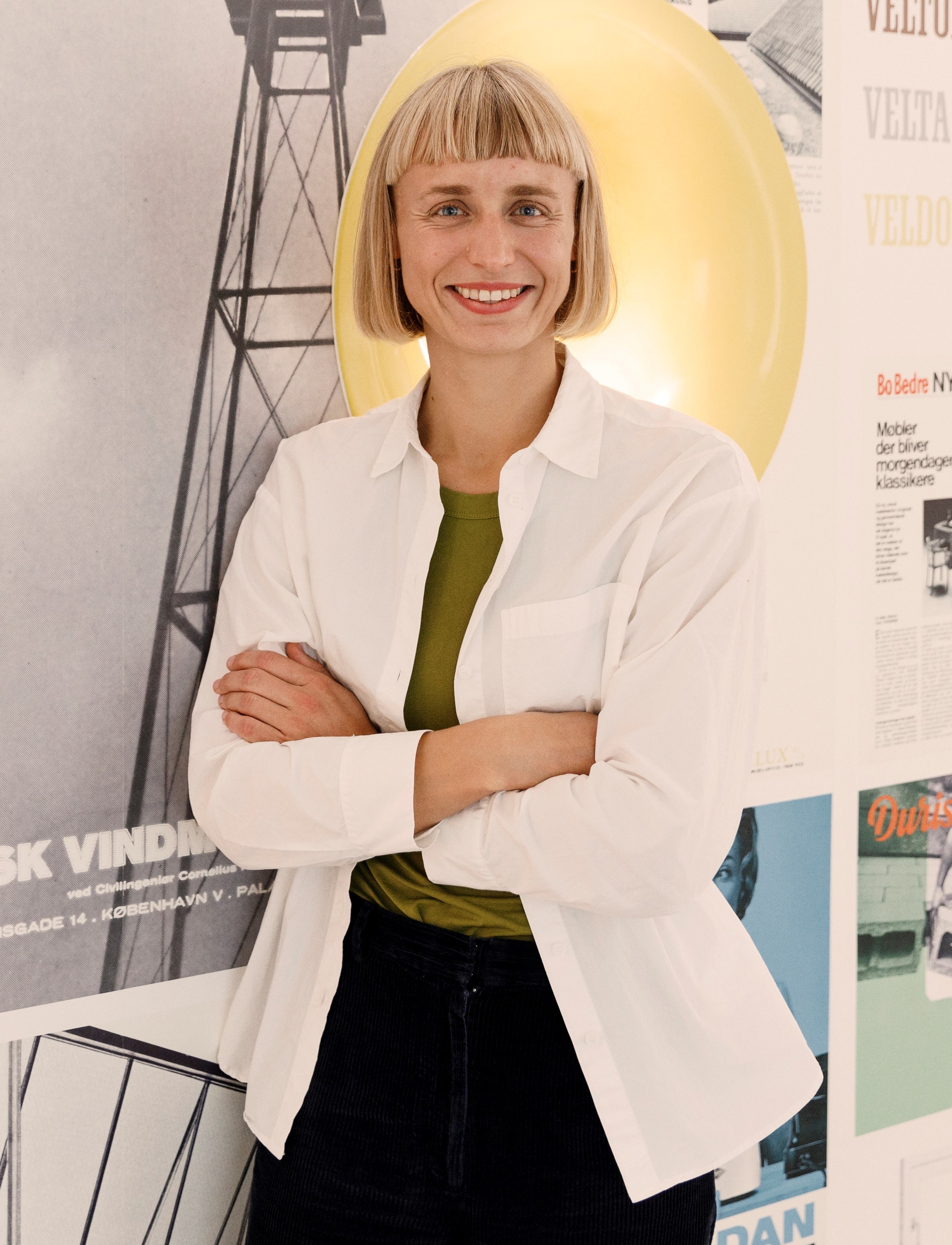
Katrine Alice Glasscock
About Katrine Alice Glasscock
I am currently a Postdoctoral Research Fellow in the Cosmology group, University of Oslo, Norway. I am fascinated by the early Universe especially uncovering faint signals hidden within vast and complex cosmological datasets. My research focuses on the cosmic microwave background and the faint 21 cm signal from the Epoch of Reionisation (when the first stars and galaxies are formed!), using advanced Bayesian methods to separate these signals from contaminating astrophysical foregrounds.
Extracting these signals is a formidable challenge: the cosmological information is often buried deep beneath signals that are orders of magnitude brighter while the datasets and parameter spaces are huge. In my work, I develop sophisticated statistical frameworks that model the sky in detail, allowing us to disentangle these components and recover the underlying cosmological information. This work sheds light on the formation of the first structures in the Universe and some signals even have the potential to uncover new physics!
Beyond my research, I am proudly committed to fostering a more inclusive and supportive scientific community. I have taken on active roles in EDI committees and led initiatives that create open forums for discussing equity, diversity, and inclusion. Through organising community-focused sessions and engaging in outreach activities, I aim to connect physics with wider audiences and lower the barriers to participation in our field. I am particularly motivated by ensuring that underrepresented voices in STEM are heard, supported, and empowered.
KIF PRIZE 2026 NOMINEE
Marie Brøns
About Marie Brøns
Marie Brøns is an Assistant Professor at the Technical University of Denmark. She specializes in structural dynamics, aiming to characterize dynamic systems through theoretical modeling, numerical simulations, and, most importantly, experiments. A key area of her research is the behavior of bolted joint connections, addressing real-world challenges in wind turbines and other complex engineering structures. In other words, she seeks to develop new methods to predict vibrations so we can extend the lifetime and reduce material use in structures while still preventing vibration-induced failure or collapse. Beyond her research, Marie was a finalist in the communication competition, PhD Cup 2021. She has served as Chair of the Young Academy of Technology, Science, and Innovation (YATSI), organizing meetings and steering the young organization’s strategic development. She has also led YATSI’s outreach committee, YATSI Inspire, organizing activities to inspire young people to pursue careers in science and helping early‑career researchers strengthen their outreach skills. Within her academic community, she has independently organized an international PhD summer school on advanced dynamics at DTU, bringing together young researchers and experts from across Europe.

KIF PRIZE 2026 NOMINEE
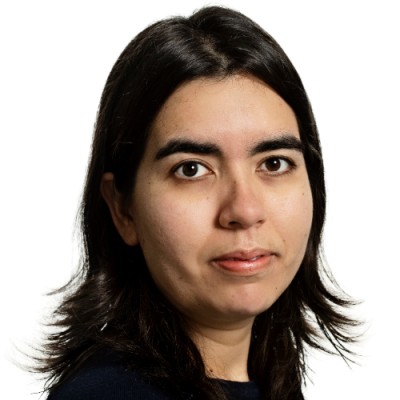
Marieke van Beest
About Marieke van Beest
Marieke is a Senior Data Scientist at Halfspace with a background in high energy theory research, designing and building cutting-edge AI/ML applications. From her BSc and MSc at the Niels Bohr Institute, she went on to do a PhD in quantum physics at the University of Oxford. During her PhD and after, as Research Assistant Professor at the Simons Center of Geometry and Physics in New York, she published 8 papers and a set of lectures totaling 900+ citations. She was recently recognised on Berlingske’s Talent 100 list for turning a top academic background into real-world impact on the forefront of applied AI, making a difference for Danish businesses at a time where global competitiveness on tech is paramount. She brings her training as a physicist into her work with applied AI/AA through solutions built from first principles, enabled by mathematical expertise, and drawing from active research in the field. Her work spans forecasting, probabilistic models, auction theory, and optimization, which she combines into context-aware systems that realistically model decision-making under uncertainty.
KIF PRIZE 2026 NOMINEE
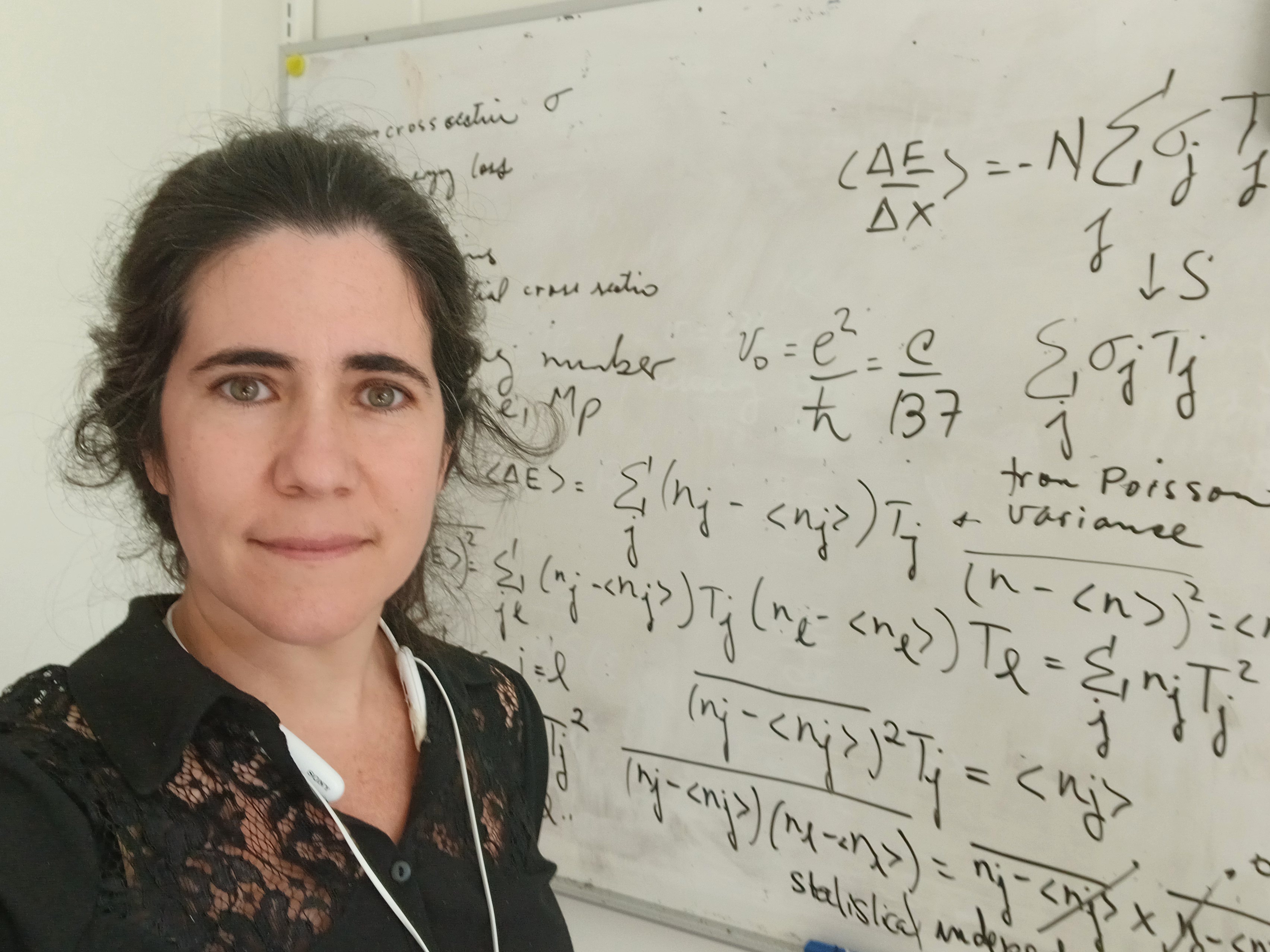
Rayssa Bruzaca de Andrade
About Rayssa Bruzaca de Andrade
Rayssa is a Team Leader in the Quantum Systems group at NKT Photonics, working with advanced fiber laser hardware for cutting-edge quantum applications. With a PhD from the University of São Paulo and postdoctoral research at DTU on quantum sensing with squeezed light, she brings both deep expertise and an inspiring international career path.
Beyond her research, Rayssa is deeply committed to outreach and representation in STEM. She is an active role model with High5Girls and co-organizes QBrazil – all initiatives focused on inspiring and supporting the next generation in science. She is also part of YATSI – the Young Academy of Technology, Science and Innovation that brings together researchers and professionals from academia and industry across STEM fields in a unique scientific network.
Rayssa is the mom of a lovely and smart little girl.
KIF PRIZE 2026 NOMINEE
Rosana Martinez Turtos
About Rosana Martinez Turtos
I will soon be an Associate Professor at the Department of Physics at Aarhus University, where I conduct research in the field of radiation–light–matter interactions, with a focus on intriguing quasiparticles called excitons. This work allows me to explore both fundamental and applied aspects of condensed matter physics and has implications for cancer imaging and cancer therapy—two branches of medicine that remain largely separate. My vision is to advance science and technology to help unify them.
To this end, I lead a research group called Exciton, where the majority of members are women like me. I have raised 11 million DKK to build the group and the laboratory, and I am also a member of an extended group in which women are very well represented, approaching a 50/50 balance. Regarding funding, I am particularly proud to be a recipient of an Inge Lehmann grant.
I like to think that, finally, in 2026, we can pursue our research while also having both professional and personal families—a possibility that Inge Lehmann did not have 100 years ago. I teach demanding physics courses such as Particle Penetration in Matter, which attract female students. Last semester, I had the pleasure of teaching a group composed mostly of women.
In my personal time, I raise my children and enjoy explaining to them what I do. To them, my work sounds like digging up bones and reconstructing dinosaurs using crystals and lasers. I tend to agree—except the “dinosaurs” we reconstruct are made of electrons and light.
KIF PRIZE 2026 NOMINEE
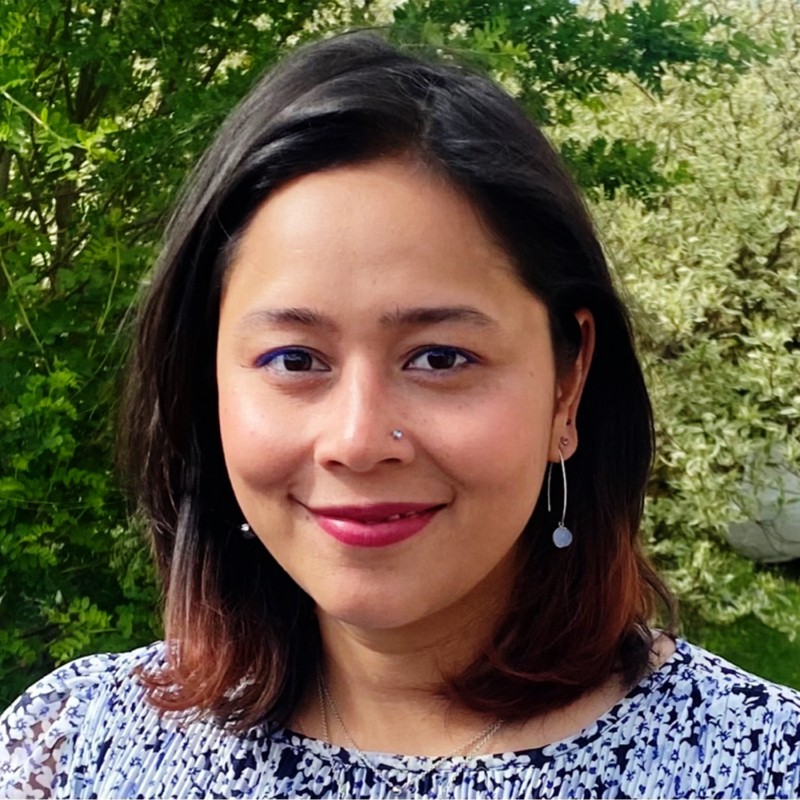
Shaeema Zaman
About Shaeema Zaman
I am an astrophysicist, quantum scientist, and educator turned science storyteller, with over 12 years of experience. I specialize in making complex scientific ideas accessible, engaging, and inclusive through interactive formats like games, theatre, hands-on experiments, and science shows. My work sits at the intersection of science communication, research, and diversity, equity, and inclusion (DEI) in STEM. As the founder of Science Melting Pot, I design training programs that help students, researchers, and professionals build skills in science communication and inclusive leadership, particularly in emerging fields like quantum and space technology. With a background spanning a PhD in quantum physics, academia, entrepreneurship, and policymaking, I am driven to transform how science is communicated and who gets to participate in it.
The prize committee will select a winner who will be announced at an award ceremony at the DFS annual meeting on June 9th, 2026 at 15:00 at SDU in Odense, where the award ceremony will take place.
The winner will be notified in writing and invited to give a talk at the DFS annual meeting.
The KIF Prize is awarded annually to raise awareness about the significance of women in physics. The prize aims to recognize a person with a background in the physical sciences (physics and engineering) as a role model, whether they work in research, industry, the public sector, teaching, or similar. The prize will be awarded to a person who, through their professional work, outreach, mentoring, and volunteering, inspires women and other minorities in the physical sciences, motivates young women and girls to pursue a career in STEM, and advocates for gender equality, diversity, and inclusion in the broader community.

