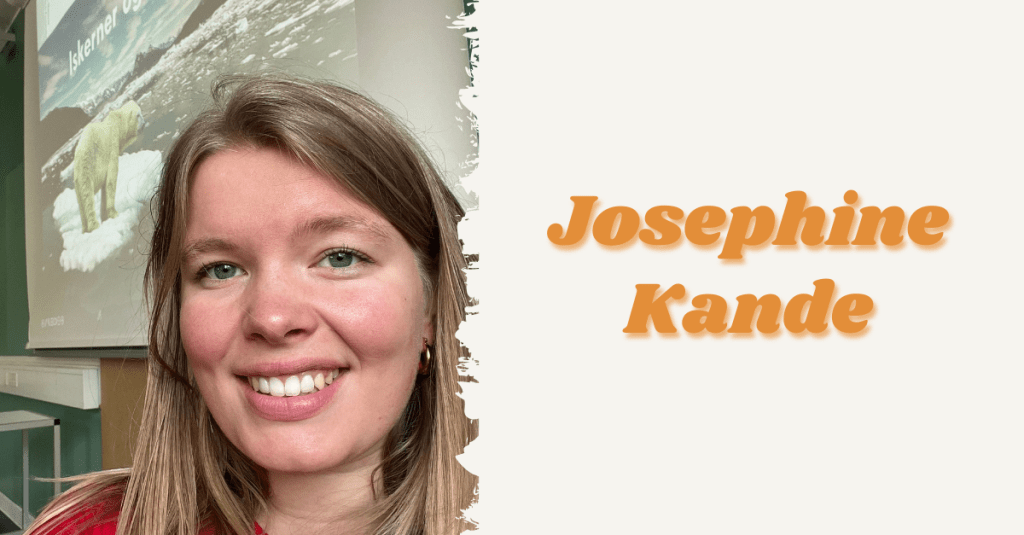
Josephine Kande is a PhD student at the Niels Bohr Institute, University of Copenhagen.
What is your PhD project about?
I study the deep past of the Greenland Ice Sheet, going back almost 3 million years to the beginning of the Pleistocene. My research focuses on how the ice sheet has changed shape and extent throughout time, and specifically on where the margins were during warmer periods and major climate shifts.
To answer these questions, I combine several types of evidence e.g:
– Ice cores can contain very old ice and reveal information about past climate conditions.
– Marine sediment cores provide information about ice sheet behavior at the margins.
– Rock material that has been buried beneath the ice for hundreds of thousands of years, to determine when they were last exposed to sunlight, and thereby when the ice sheet retreated and different location in Greenland was last ice-free.
Together, these methods allow us to reconstruct when Greenland was last green, and what might happen to the ice sheet in the future with a warming climate.
What inspired you to study physics or engineering, and when did you realize you wanted to pursue this path ?
I have always enjoyed working with numbers, and I already found math and algebra fun in elementary school. Over time, I noticed how satisfying it was to solve physics and math problems! That feeling of success made me realize I have a skill I genuinely enjoy using. That encouragement kept pulling me deeper into science. I participated in various summer schools and lectures with UNF.
Another important motivation was the people I met through physics. I genuinely liked them, I felt welcome, and I felt that I belonged.
By the time I finished high school, I knew I wanted to pursue physics because it combined problem‑solving with understanding how the world actually works. I love the small “aha” moments, like learning that stirring your coffee with random motions creates turbulence and mixes it more efficiently than just moving the spoon in a circle. Those fun facts make you realize why things behave the way they do, and that curiosity keeps me excited about physics.
What made you choose to pursue a PhD degree?
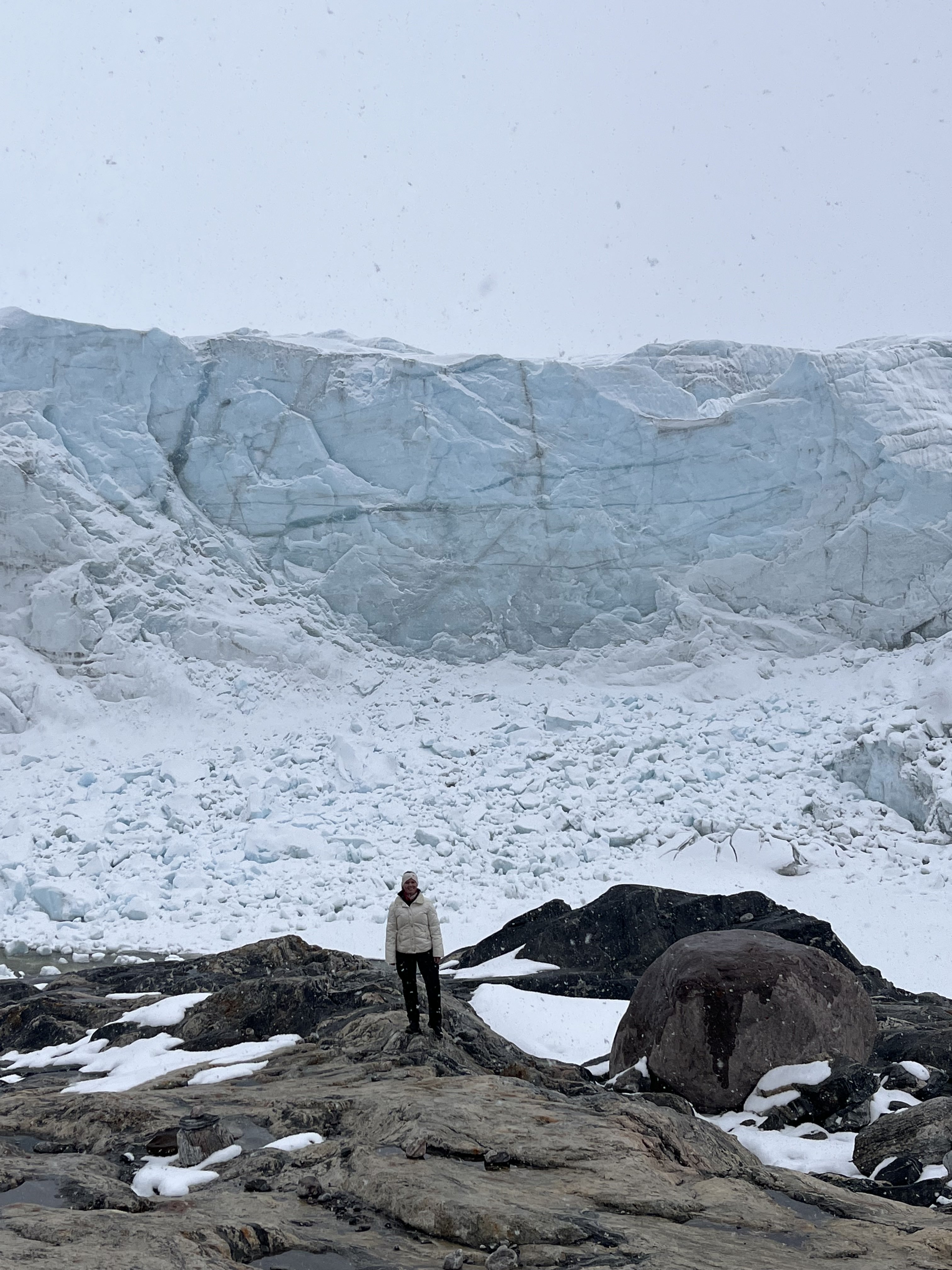
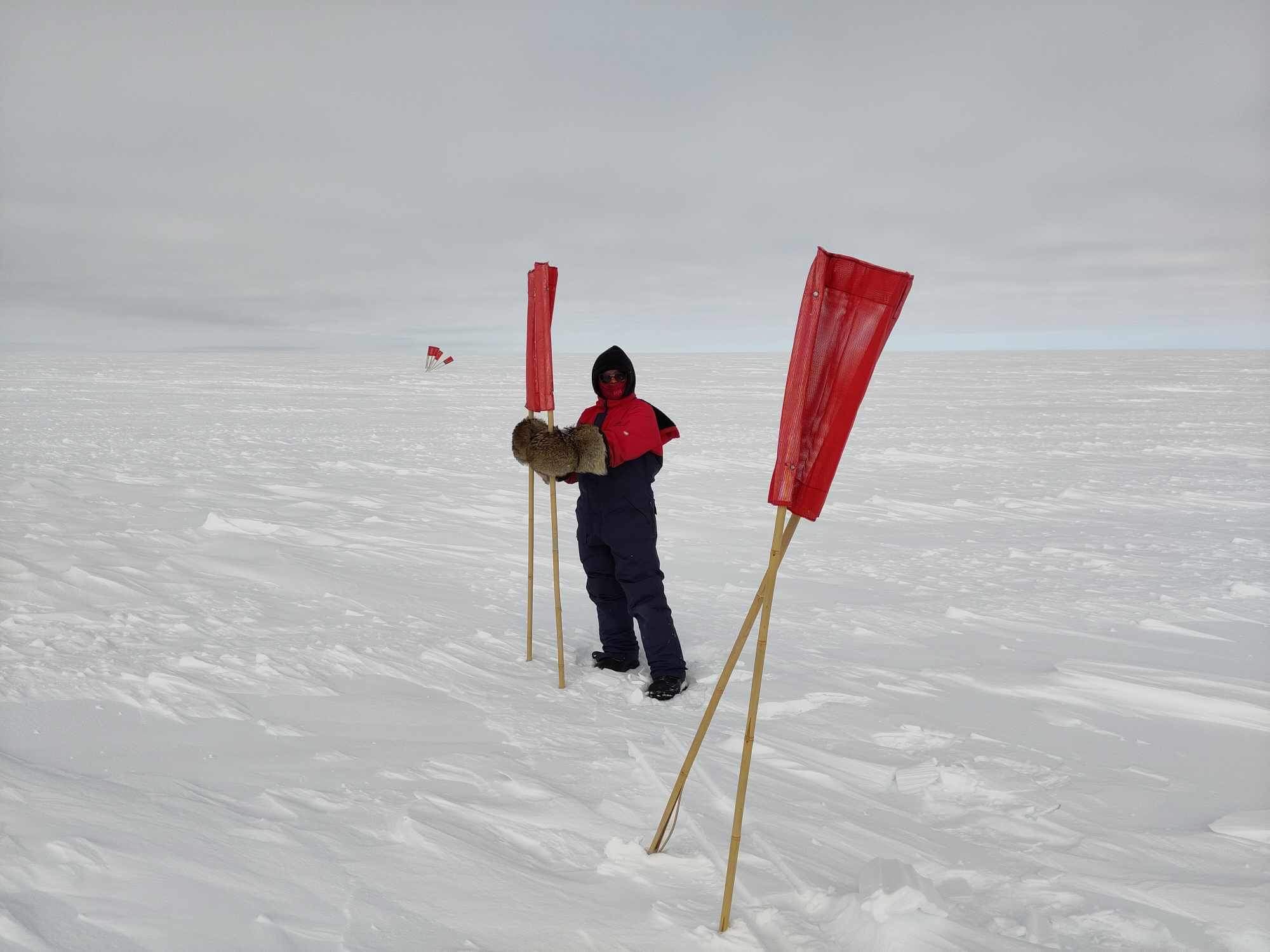
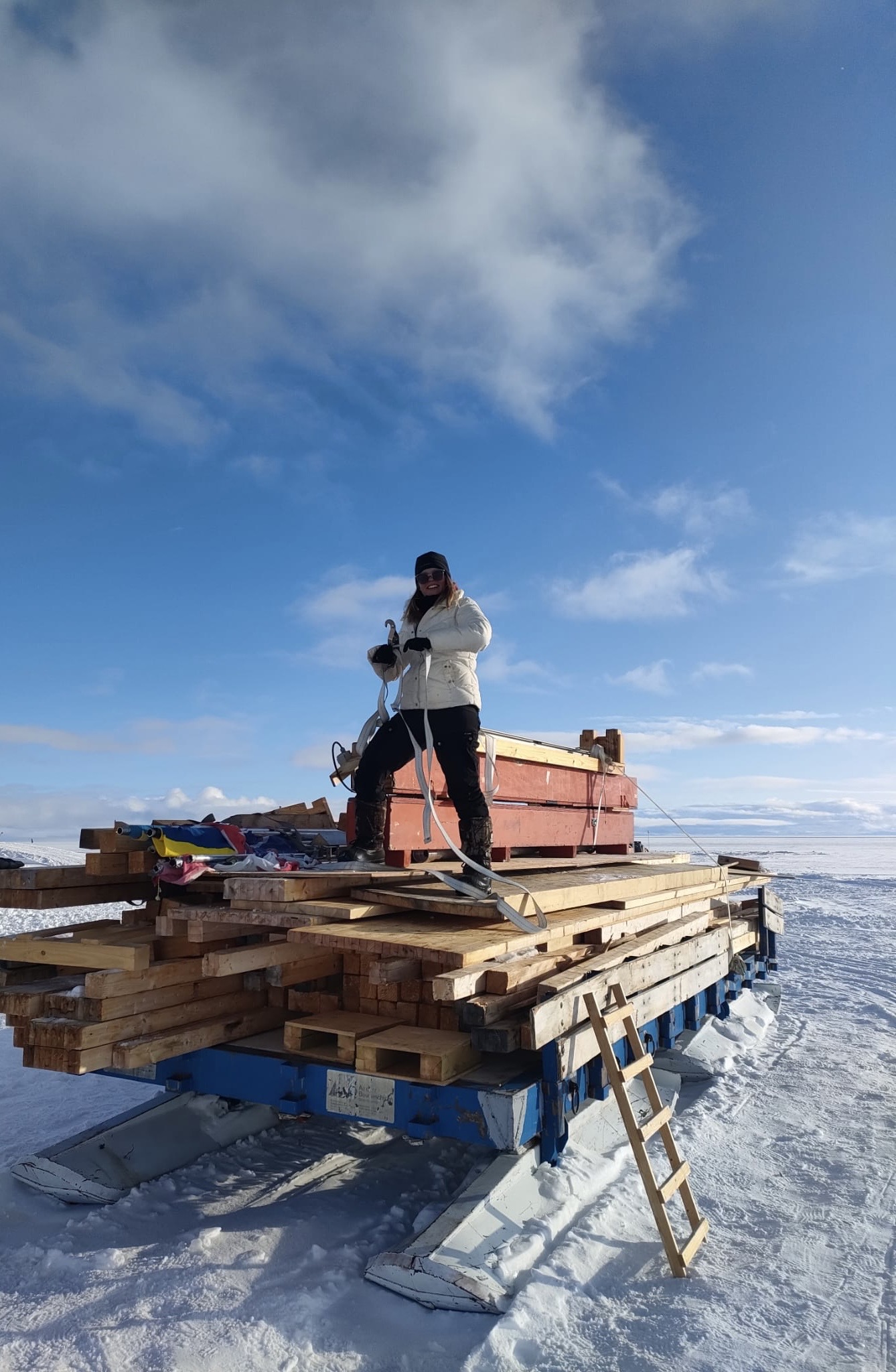
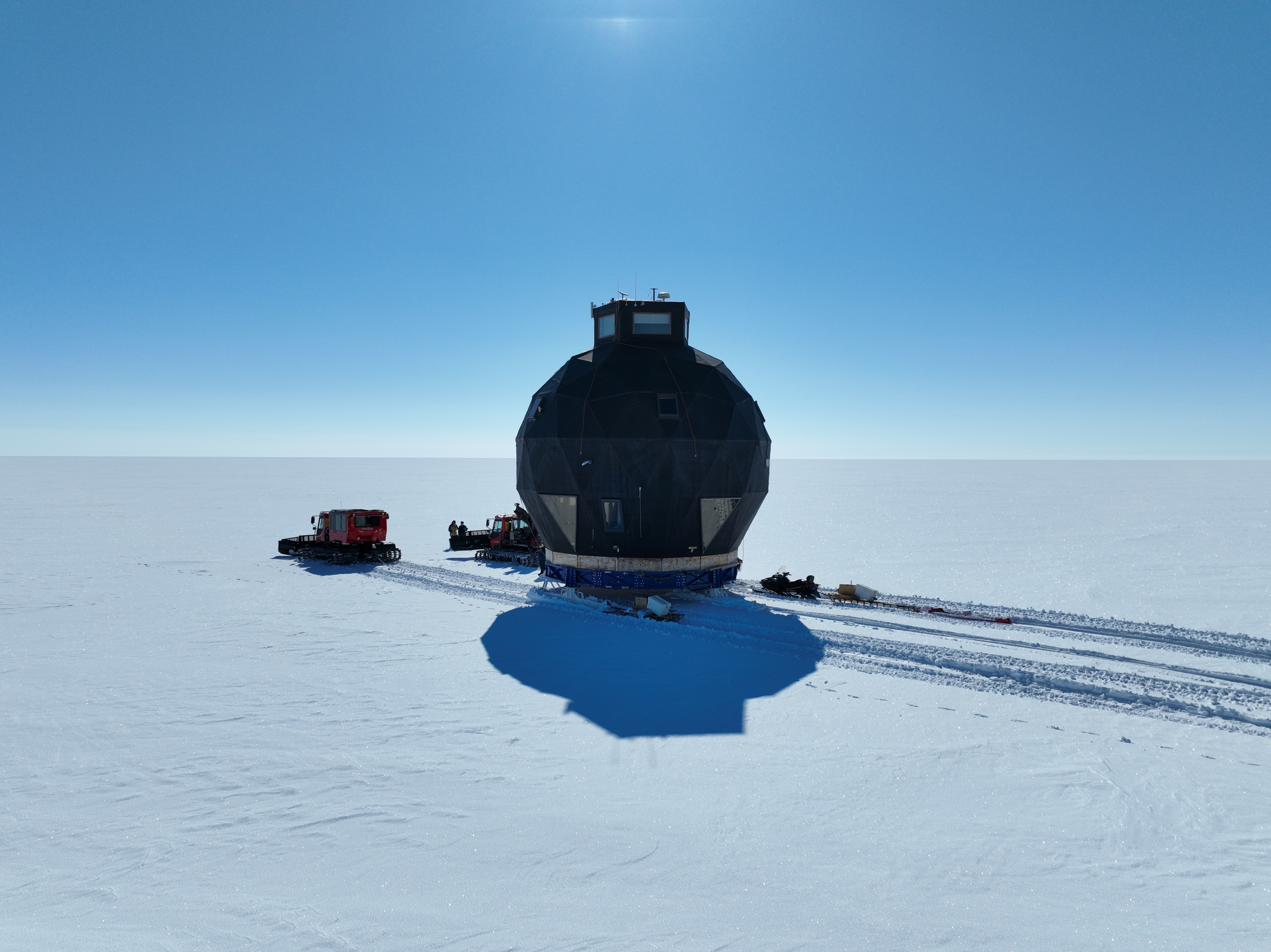
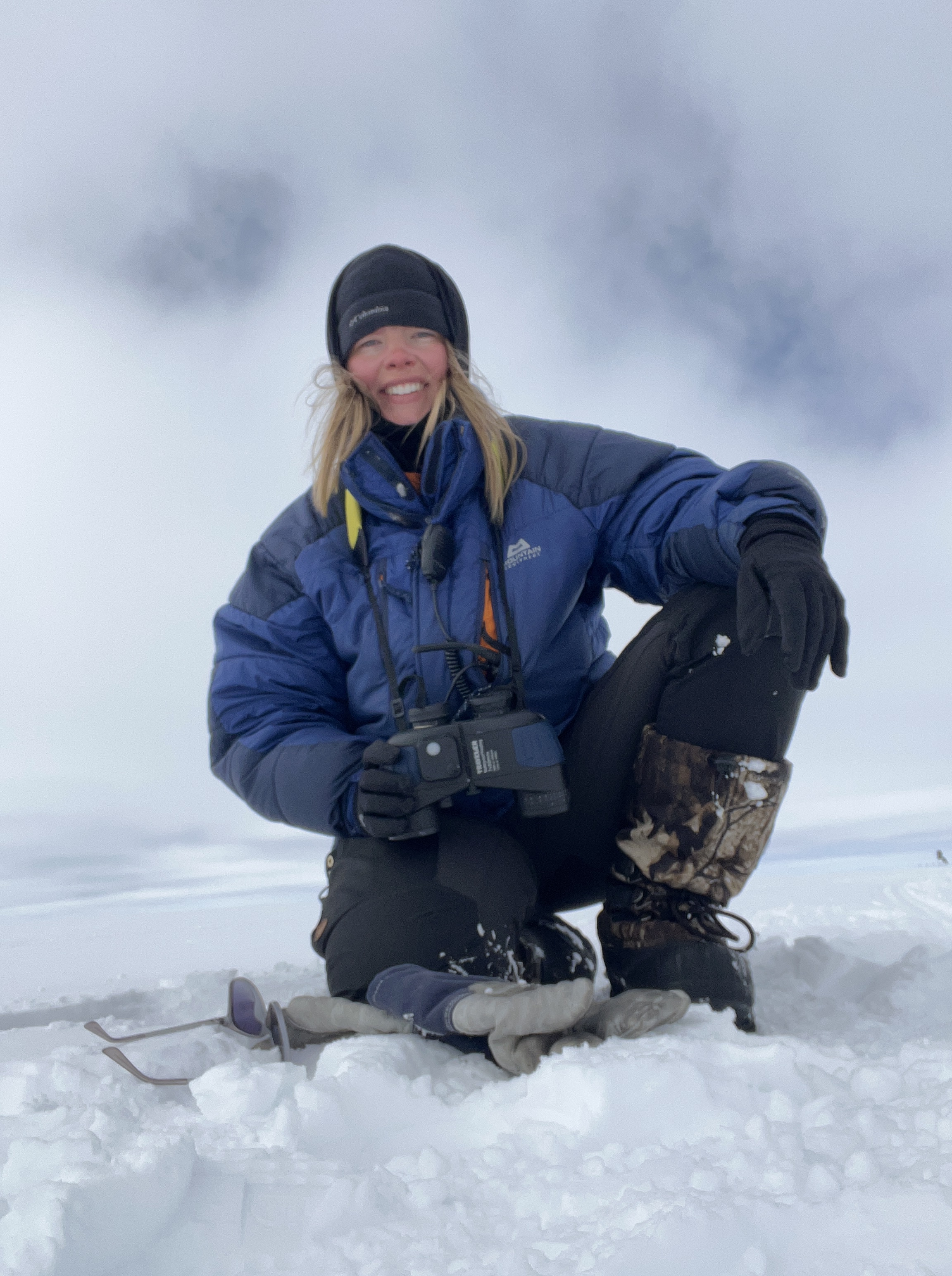
It felt very natural. I had worked in my research group as a student assistant since the beginning of my master’s degree, and I really liked the atmosphere and the people. One summer, I spent time in the field on the Greenland ice sheet. It was so amazing I had to go back.
I also believe that understanding plausible future climate scenarios is highly relevant and urgently needed – I want to contribute to that knowledge. That motivation is what has driven me to pursue a PhD and why I want to continue further in academia.
What hobbies or activities do you enjoy outside of your studies, and how do they help you maintain a work-life balance?
Since so much of my work is focused on using my head, I enjoy using my spare time to engage other aspects of myself. I try to stay active by doing weightlifting and yoga weekly. Also, I enjoy and have always played music, I play the double bass and the guitar, and I do still play, although occasionally, to maintain my more creative side.
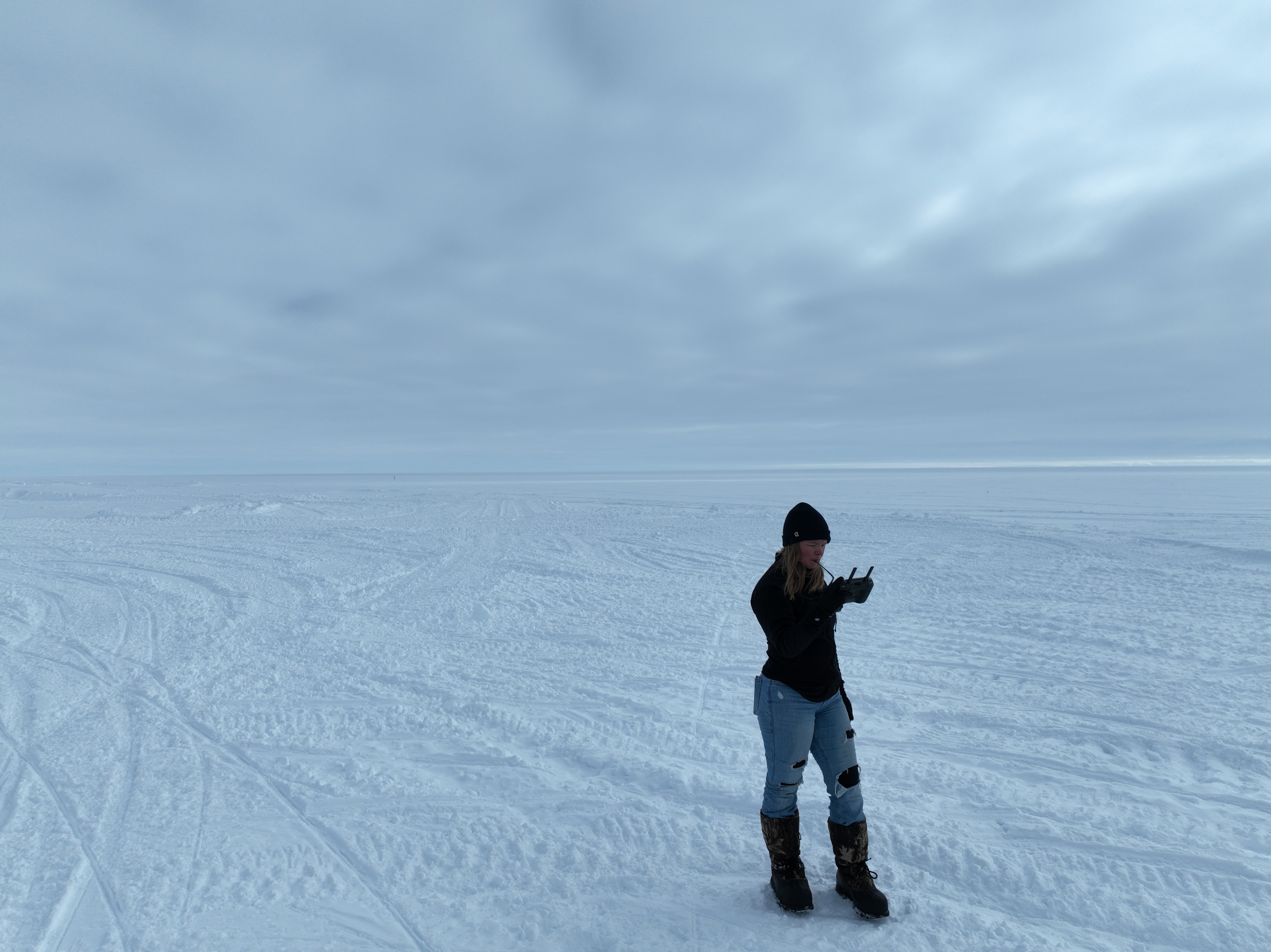
A PhD does take up a lot of time, so many of my social activities are connected to the research group. Honestly, one of my “hobbies” is going to the field. It is closely linked to my work, so I’m not sure it counts as an actual hobby, but it requires a very different set of skills than my everyday academic tasks. I really enjoy that practical, hands‑on side of myself.
Work-life balance can be challenging, but I try to make sure I get eight hours of sleep and take advantage of the flexibility that academia offers.
What are three important skills you have gained during your PhD, and how have they contributed to your growth?
Firstly, I have learned to stand up and present clearly and confidently in front of an audience. I’m still practicing, but it is a skill I value highly. I can really feel how much I have improved.
Secondly, I have become much better at talking to people I have never met before. It used to feel awkward or overwhelming, especially if the person seemed more experienced than me. Although, from my experience it always pays off to talk to new people. It is rewarding in various ways and I realized that it is a powerful tool to build a good network – which is very important in academia and for a future career in general.
Finally, whether it is a draft, an analysis, or a new idea, I have learned that it is better to make something exist and then improve it. This allows you to make small mistakes and be unperfect and later be able to improve it into something you can show and be proud of. It is time‑consuming and rare to be perfect, but you can get very close. And in the busy life of a PhD, this approach makes everything much more achievable.
What does being a physicist or engineer mean to you?
To me, being a physicist means contributing knowledge to something that everyone can ultimately benefit from. It is the curiosity and understanding of how things are correlated and connected.
It also feels a bit like being part of a club where there is a shared openness, language and curiosity that makes you feel at home. In my experience, whether it is at a party, traveling to another country, or even in the supermarket – if you meet someone else who studies or studied physics, you instantly connect. That sense of belonging and shared interest is an important part of what it means to be a physicist for me.
What kind of career do you envision after your PhD?
I like the uncertainty and keeping an open mind. Opportunities tend to appear along the way, and my approach is to stay open and catch them as they come. Currently, I really enjoy working in academia: there are so many projects, questions, and possibilities I still want to explore, so my hope is to continue in academia for the next phase of my career. I am excited to see what that will look like in three years.
Do you have role models who have inspired you, and how have they impacted your decisions or goals?
Yes, I have several. I am fortunate to have many strong female figures in my life both in and outside of academia. More specifically, it has been a huge motivation for me to see female professors in my group who are engaged, who care, and who have built successful academic careers. Watching what they have achieved makes it very believable that this is possible for me too. That is of great inspiration.
Do you take part in public outreach, teaching, or science communication during your PhD? If so, what have you gained from those experiences?
Yes, and I really enjoy it. Outreach makes all the very nerdy, technical parts of my research feel meaningful beyond my own work. Currently, I am teaching my first course as a teaching assistant, and I am really enjoying that. It takes me back to when I was a first year student in physics. I regularly give tours to high school students in my research group’s freezer facility, where we store very old ice that holds important clues about the past climate.
I hope to keep doing more of this. I don’t want my research to stay within a small academic circle. I want it to be shareand accessible to the public. I think we as scientists have a responsibility to make science open and engaging.
Are you involved in any student associations, networks, or initiatives, and what role do they play in your academic journey?
During my studies I participated in the FysikRevy^TM. Here, I really experienced the strong connection and community that is present among physicists.
What advice would you give to young people, particularly women and minorities, who are interested in studying physics or engineering?
If you want something, go for it. Don’t wait for opportunities to arrive on their own. Use your network – both your professional and personal one. No one achieves success completely alone. Friends, family, and colleagues can all support you in different ways, so do not be afraid to reach out, and most importantly: be proud of yourself.
The best physicist is not necessarily the one who knows the most on day one, or the most “nerdy” person in the room, but much more often the one who is curious and enthusiastic.
And one more thing: in Danish we have a saying – “How do you eat an elephant? One bite at a time.” It’s a reminder to focus on the small steps instead of the entire task. When I started my bachelor’s degree in 2019, I was intimidated by the thought of writing a thesis alone and in English. It felt almost impossible. But big challenges become manageable when you break them down, one step at a time.
 kvinderifysik.dk